In today’s fast-paced, always-connected world, mental fatigue, forgetfulness, and reduced focus have become almost universal experiences. While modern neuroscience continues to uncover fascinating insights about the brain, Ayurveda, India’s ancient system of holistic well-being, has been addressing cognitive balance for thousands of years. Rather than focusing on isolated symptoms, Ayurveda views brain and cognitive health as the result of harmony between the body, mind, lifestyle, and environment.
This blog explores Ayurvedic practices that support brain and cognitive health, drawing from classical principles and contemporary Ayurvedic interpretations.
The Ayurvedic Perspective on Brain and Mind
In Ayurveda, cognitive health is closely linked to Manas (mind), Buddhi (intellect), and Smriti (memory). These are influenced by:
- The three Doshas – Vata, Pitta, and Kapha
- The three Gunas – Sattva (clarity), Rajas (activity), and Tamas (inertia)
From an Ayurvedic lens, issues such as poor concentration, anxiety, or mental dullness often arise when Vata becomes excessive, Pitta overheats the system, or Tamas dominates mental activity. The goal, therefore, is not to “treat” the brain but to restore balance across these dimensions.
Daily Lifestyle Practices That Support Cognitive Clarity
- Dinacharya: The Power of Routine
Ayurveda places immense importance on Dinacharya, or daily routine. A predictable rhythm helps calm the nervous system and supports mental stability.
Simple practices include:
- Waking up early, ideally before sunrise
- Maintaining regular meal times
- Allocating fixed periods for work, rest, and reflection
Consistency is believed to reduce mental agitation and enhance focus over time.
- Sleep as a Pillar of Brain Health
Adequate, quality sleep is considered essential for Smriti (memory) and Buddhi (intellect). Ayurveda emphasizes winding down the mind before sleep by:
- Avoiding stimulating activities late at night
- Reducing screen exposure before bedtime
- Practicing calming rituals such as gentle breathing or mindfulness
Persistent sleep disturbances should always be discussed with a licensed healthcare or Ayurvedic professional.
Mind–Body Practices for Cognitive Balance
- Yoga for Mental Stability
Certain yogic postures are traditionally associated with mental clarity and nervous system balance. These are not treatments but supportive wellness practices.
Commonly recommended categories include:
- Gentle forward bends for calming the mind
- Balancing postures to improve focus
- Restorative poses that reduce mental overstimulation
Learning yoga under a trained instructor is advised, especially for beginners.
- Pranayama and Breath Awareness
Controlled breathing techniques, or Pranayama, are central to Ayurvedic mind care. Practices such as slow, rhythmic breathing are believed to:
- Support oxygen flow
- Calm excessive mental chatter
- Improve attention and emotional regulation
Anyone with respiratory or cardiac conditions should consult a certified practitioner before attempting breathwork.
Dietary Principles for Nourishing the Mind
- Sattvic Nutrition and Cognitive Support
Ayurveda emphasizes Sattvic foods, which are considered light, nourishing, and supportive of mental clarity.
General dietary principles include:
- Freshly prepared meals
- Warm, easily digestible foods
- Adequate hydration
Overly processed, stale, or excessively spicy foods are traditionally thought to increase mental restlessness or heaviness.
- Mindful Eating Habits
Beyond food choices, Ayurveda highlights how you eat:
- Eating without distractions
- Chewing slowly
- Avoiding overeating
Mindful eating is believed to support digestion, which in Ayurveda is closely connected to mental function.
Ayurvedic Herbs: A Traditional Perspective
Ayurveda has long discussed certain herbs in the context of memory and intellect. These herbs are part of traditional knowledge systems and should not be self-prescribed.
Commonly referenced herbs include:
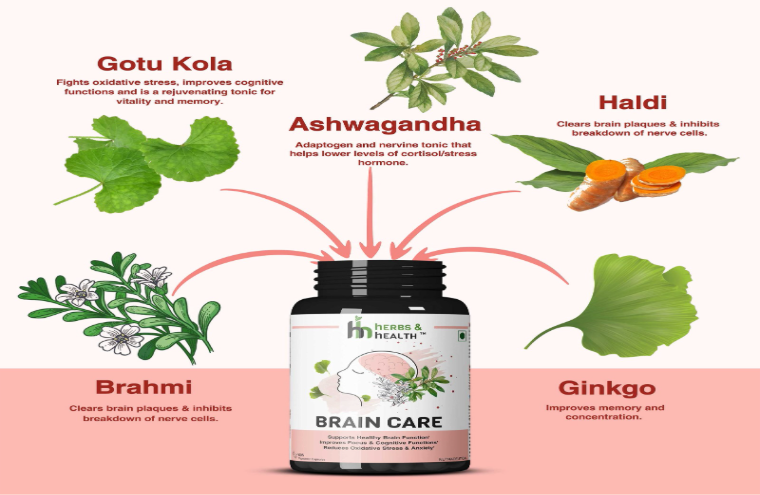
- Brahmi – Traditionally associated with learning and calmness
- Shankhpushpi – Linked to mental relaxation and clarity
- Guduchi – Considered supportive of overall vitality
- Ashwagandha – Traditionally associated with stress resilience
It is crucial to consult licensed and certified Ayurvedic or homeopathic practitioners before consuming any herbal formulations, as suitability varies from person to person.
Mental Hygiene and Emotional Well-Being
- Meditation and Self-Awareness
Meditation is considered a cornerstone of cognitive wellness in Ayurveda. Regular practice is believed to:
- Enhance awareness
- Reduce mental overload
- Improve emotional balance
Even a few minutes of daily stillness can gradually support a calmer, more focused mind.
- Reducing Mental Overstimulation
Ayurvedic texts emphasize moderation—especially in sensory input. Constant exposure to noise, screens, and information overload may aggravate mental imbalance.
Simple steps include:
- Digital breaks
- Quiet reflection time
- Engaging with nature
These practices help cultivate Sattva, the quality associated with clarity and wisdom.
Ayurveda and Neuroplasticity: An Emerging Conversation
Modern discussions around neuroplasticity—the brain’s ability to adapt and rewire—find interesting parallels in Ayurvedic thought. Ayurveda has long proposed that consistent habits, disciplined routines, and mindful awareness can reshape mental patterns over time.
While scientific validation is ongoing, this overlap highlights Ayurveda’s relevance in contemporary conversations about lifelong cognitive wellness.
A Gentle Reminder on Professional Guidance
Ayurvedic practices are deeply personalized. What supports one individual’s cognitive balance may not suit another. This blog is intended solely for educational and wellness awareness purposes.
Before adopting:
- Herbal supplements
- Specialized diets
- Advanced yogic or breathing practices
Readers are strongly encouraged to consult certified and licensed Ayurvedic or homeopathic practitioners or qualified medical professionals.
How Can We Help?
Ayurveda offers a holistic, lifestyle-oriented framework for supporting brain and cognitive health—one that emphasizes balance, routine, mindfulness, and self-awareness. If you are curious about Ayurvedic ways to boost your cognitive health, the first step is speaking with certified Ayurvedic practitioners and licensed healthcare professionals. At Get Well and Strong, our mission is to empower individuals with reliable wellness knowledge through personalized guidance.
Book a consultation to connect with world-class Ayurvedic practitioners at low costs as per your convenience.
DISCLAIMER: This blog is for general informational purposes only and does not constitute medical advice, diagnosis, or treatment. Always consult a certified healthcare provider for guidance tailored to your individual needs.