Ayurveda — the ancient healing tradition from India — offers a holistic approach to cleansing the body and mind, known as detoxification. Unlike fad “detox diets,” Ayurvedic detoxification focuses on restoring balance to your digestion, metabolism, and daily rhythms, allowing your natural detox systems to function more efficiently.
Whether you’re curious about a seasonal reset or want to support healthier habits, this guide offers accessible, research-backed insights.
What Is Ayurvedic Detoxification?
In Ayurveda, detoxification is seen as a process to remove “Ama” — metabolic waste and toxins — while strengthening the body’s digestive fire (Agni) and balancing the three doshas (Vata, Pitta, Kapha). Rather than forcing rapid elimination, it encourages the body’s innate cleansing mechanisms to work better.
Detoxification isn’t just about food — it embraces diet, lifestyle habits, movement, self-care, and mindfulness to help you feel lighter, clearer, and more vibrant.
The Core Principles of an Ayurvedic Detox
- Strengthen Digestive Fire (Agni)
Ayurveda teaches that many toxins accumulate when digestion is weak. A detox focuses on foods and habits that support digestion and elimination, such as warm, freshly cooked meals and gentle herbs.
- Reduce Ama (Toxins)
Toxins in Ayurveda — known as ama — are believed to accumulate from processed foods, stress, irregular routines, and unhealthy habits. Detox phases aim to gently eliminate ama from tissues and channels.
- Restore Dosha Balance
Balancing Vata, Pitta, and Kapha supports overall vitality. A personalized detox plan considers your dominant dosha and current imbalances.
How Ayurvedic Detox Works — A Step-by-Step Overview
- Preparation Phase
Before deep cleansing, Ayurveda suggests a period of preparation — eating simpler foods, avoiding stimulants (like caffeine and alcohol), and practicing restorative sleep. This primes your body for deeper detox work and supports a smoother transition into cleansing.
- Active Cleansing
During the active phase, your diet becomes more streamlined:
- Monodiet or Simple Meals: Traditional meals like kitchari/khichdi (mung lentils and rice cooked with digestion-friendly spices) are recommended because they are easy on the digestive tract.
- Light, Warm Foods: Warm vegetable soups, steamed veggies, and mild spices like cumin, turmeric, and coriander can help ease digestion.
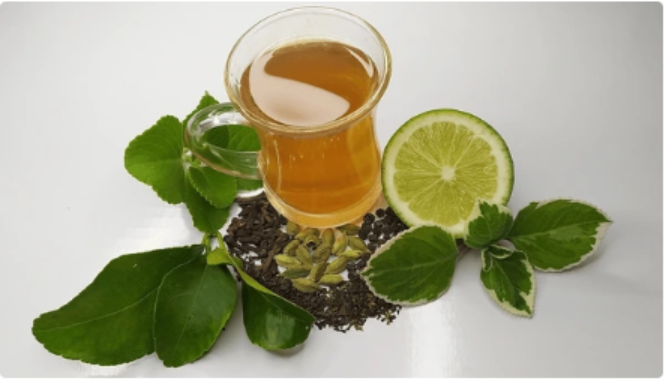
- Hydration: Sipping warm water or herbal teas supports elimination and helps flush metabolic byproducts.
During this phase, many practitioners encourage avoiding raw or very cold foods, processed items, excessive caffeine, and alcohol.
- Reintroduction + Rejuvenation
After active cleansing, you gradually reintroduce your usual foods while keeping meals balanced and easy to digest. This helps retain the benefits of detox without shocking your system.
Everyday Practices That Support Detox
You don’t need a retreat to benefit from Ayurvedic wisdom. Here are gentle daily habits that can help your body naturally cleanse and rebalance:
- Warm-Water First Thing in the Morning
Drinking warm water — plain or with lemon or ginger — starts digestion and encourages detox pathways.
- Herbal Teas and Digestive Spices
Ayurveda highlights herbs and spices like turmeric, cumin, coriander, and ginger to promote digestion and support detox rhythms.
- Tongue Scraping
A simple Ayurvedic practice done in the morning that some people use to remove buildup (ama) from the tongue and stimulate digestive activity.
- Abhyanga (Self-Oil Massage)
Massaging warm sesame or herb-infused oil into your skin can help stimulate circulation and lymphatic flow, and many people find it deeply calming.
- Gentle Movement & Breathwork
Yoga, walking, and pranayama breathing (like alternate-nostril breathing) support circulation and help the body’s natural cleansing processes.
- Mindfulness & Reduced Digital Load
Reducing screen time and practicing meditation or quiet reflection helps calm the nervous system, which Ayurveda views as part of detox.
What About Panchakarma — Ayurveda’s Deep Cleanse?
Panchakarma, which translates to “five actions,” is Ayurveda’s traditional detoxification program involving therapies like medicated oil massages, herbal steam, purgation, enemas, and nasal treatments. This deep cleanse is designed to move toxins from deep tissues into the digestive tract for elimination.
As Panchakarma is intense and tailored to individual constitutions, it should only be pursued under the supervision of a qualified Ayurveda professional or licensed practitioner. This ensures your plan is safe, personalized, and balanced with your overall health needs.
Precautions & Who Should Seek Guidance
Ayurvedic detox practices — especially intensive ones — may not be suitable for everyone. Individuals who are pregnant, breastfeeding, underweight, elderly, or managing chronic health conditions should consult a certified Ayurvedic practitioner before trying a full detox. This ensures your plan fits your unique health profile and avoids unintended stress on your system.
How Can We Help?
Ayurvedic detoxification isn’t about quick fixes or extreme restriction. It’s a holistic reset that supports your body’s natural ability to cleanse and heal. By combining mindful eating, supportive habits, gentle movement, and self-care rituals, you can help your body feel lighter, clearer, and more energized — all while honoring your natural rhythms.
If you are curious about Ayurvedic detoxification practices, the first step is speaking with certified Ayurvedic practitioners and licensed healthcare professionals. At Get Well & Strong, we are here to support your journey toward holistic healing all the way. Our platform simplifies finding licensed Ayurvedic practitioners who blend complementary approaches with conventional care.
Book a consultation to connect with world-class physicians at your convenience.
DISCLAIMER: This blog is for informational purposes only and does not constitute medical advice, diagnosis, or treatment. Always consult a certified healthcare provider for guidance tailored to your individual needs.